
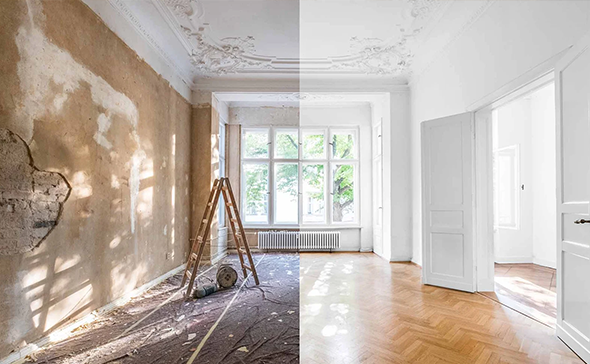
Home renovations are exciting projects that can transform your living space. Starting on the correct foot is absolutely essential whether you’re renovating one room or overhauling your entire house. Without enough planning, your fantasy makeover may turn into a financial and unpleasant nightmare. Here are the most crucial things to undertake before beginning any kind of house repair, whether deciding on new paint colors or demolishing walls.
Set a Clear Goal for Your Renovation
Before you begin exploring the details, you should be clear on the reasons behind your revamping. How will you reach your intended target? Do you want your house to look better, raise its value, or be more practical? A carefully stated goal can help you choose the suitable budget, design method, and materials.
If you want to improve the arrangement of your kitchen, for instance, you may concentrate on contemporary equipment and more effective storage. You can use simple colors and popular renovations to sell your property quickly and upgrade it to make it more valuable.
Establish a Realistic Budget
Any home renovation project that goes well depends critically on a well-considered budget. Though ideas and plans can easily get one carried away, home upgrades can rapidly cost money.
Find out first your accessible financial situation. Add all expenses—including commodities, labor, licenses, and other unanticipated costs—that fall within your control. Saving 10 to 20 percent of your budget can help you be ready if something goes wrong.
Consider your actual spending capacity. Selecting high-end finishes or features might be thrilling, but they might not always fit your budget. See whether the choices you are thinking about will nonetheless enable you to meet your renovation objectives without breaking the budget.
Research and Plan the Design
Designing your new place is one of the most enjoyable parts of a house remodeling. Still, if you’re not vigilant, it’s also the period where mistakes most usually occur.
Here’s how to effectively plan your design:
Draw a Layout: Visualizing the layout of your space before making changes will help you avoid costly design errors.
Consider Functionality: Design with both aesthetics and function in mind. For example, ensure that the kitchen layout allows for smooth workflow.
Think About Style: Choose a design style that complements your existing home and suits your taste.
Research several design ideas using internet resources, periodicals, or expert designers to reduce your choices. Working with a designer or architect can enable you to translate your idea into a workable, realistic proposal.
Check the Legal and Zoning Requirements
Understanding local construction standards, zoning rules, and permit procedures is vital before you start any project. Ignoring this might lead to penalties, delays, or demolishing work that is not up to code.
Some common types of work that typically require permits include:
Electrical and plumbing updates
Structural changes, such as removing walls or adding extensions
HVAC system modifications
Check with your local building department or hire a contractor to ensure all the necessary permits are in place before work begins. This step is crucial for avoiding complications down the road.
Hire the Right Professionals
While working on your own house might be fun, some jobs call for a professional’s completion. Hiring seasoned experts will save you time, money, and even unnecessary problems whether your project calls for plumbing, electrical work, or significant structural changes.
You ought to investigate some before choosing an expert. Get references; see what friends and relatives have to say; check internet reviews. Make sure the staff members you pick has the required licenses, insurance, and expertise for the kind of work you wish done.
You might want to talk to many staff members to get a sense of their behavior and charging rate. Open communication and a good contract assist to avoid issues all through employment.
Create a Detailed Timeline
Create a thorough remodeling schedule once your design and crew are in place. For every phase, this should comprise start and finish dates.
What are the time projections for every job—demolition, installation, etc.?
Important delivery, inspection, etc., deadlines, or marks of reference.
Remember that delays abound in remodeling projects. Especially for unanticipated events like weather interruptions or delayed supplies, make sure your calendar allows some leeway.
Prepare Your Home for Renovation
Preparing your home for renovation is another essential step in ensuring the process goes smoothly. This involves:
Here’s how to prepare your home:
Declutter the Area: Remove all furniture and valuables from the renovation area to prevent damage and ensure the workspace is clear.
Cover Up: Protect other areas of the house by covering furniture or flooring with plastic sheeting or tarps to shield them from dust and debris.
Secure Pets and Children: Renovations might be dangerous and noisy. Create a safe area for kids and animals while work is being processed.
Proper preparation will help your renovation go more smoothly and minimize stress on your family and contractors.
Conclusion
Although beginning a home restoration project is a lot of work, with proper planning, it can be a fulfilling and transforming event. Following these guidelines—establishing a clear aim, creating a budget, organizing your design, consulting experts, and getting ready for your house—you may reduce anxiety and guarantee that your remodeling proceeds without incident. Good preparation can help you avoid typical mistakes, save money, and get the house of your dreams. Good renovation!
