

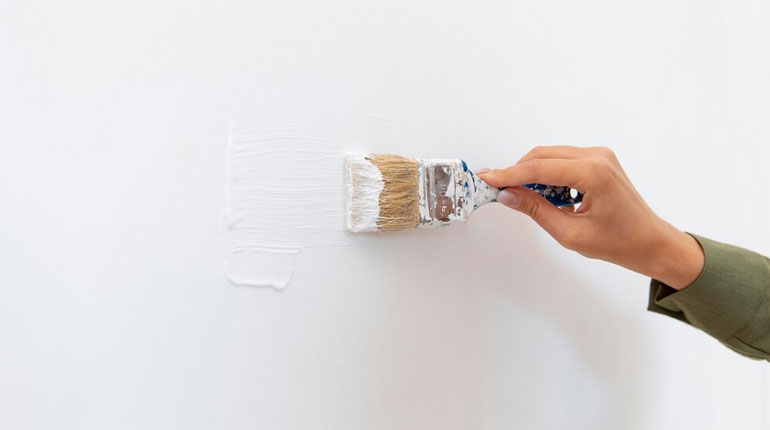
Paint can freshen large spaces without shutting doors to customers. However, wet walls, ladders, and strong smells may disrupt sales if owners do not plan. This 80-word guide shows simple ways to keep a shop running while crews roll color. We use clear facts, short tips, and easy steps. Because every workday counts, careful timing, safe zones, and smart products protect workers and guests. Read on and learn how daily service can continue, even while rollers move above your head.
Plan Early with a Detailed Work Schedule
Good timing prevents chaos, so start with a map of tasks. List rooms, square feet, and coat counts. Then, rank areas by customer traffic. Because the lobby stays busiest, you might shift that zone to late evening. Also, order paint and tools one week ahead since supply delays slow crews. Use a shared calendar that flags high-volume sales days in red. Therefore, painters skip rush hours. Next is block time for primer drying; many primers need two hours before color. Finally, buffer days should be added because rain and humidity can extend cure times by 20 %.
Select Low-Odor Paints to Minimize Daily Disruption
Fresh air keeps guests happy, so choose low-VOC coatings. The U.S. Green Building Council states that zero-VOC paint cuts airborne chemicals by 90 %. Because fewer fumes linger, staff avoid headaches and stay productive. When shopping, compare labels:
- VOC under 50 g/L means low smell.
- Quick-dry resin allows a second coat in one hour.
- A washable finish eases stain removal later.
Moreover, pick satin or semi-gloss for halls because these sheens resist scuffs. Although prices rise slightly, savings follow through fewer sick-day claims and less evening ventilation.
Zone Off Work Areas for Smooth Traffic Flow
Separating wet zones from walkways keeps stores open. First, install light plastic walls with zip doors; they cost little and block dust. Then, place bright cones two feet from ladders so shoppers see hazards early. Because exits must remain clear by law, always keep an eight-foot path to each door. For small cafés, shift tables toward finished walls, freeing space for painters. Use floor arrows that direct visitors around fresh coats and change them as crews move. Therefore, guests feel guided and not lost, and sales lines flow without bumps.
Coordinate with Staff for Flexible Operating Hours
Teamwork cuts downtime. Meet with employees and ask which early or late shifts suit them. Many workers trade hours when given notice. Because some paint smells peak during drying, arrange quick staff breaks then. Also, rotate cashiers away from loud sanders to quieter tasks like stock checks. If your store runs a bakery, bake overnight and paint early in the afternoon so fresh bread still greets morning customers. Furthermore, I will share daily progress notes by text, provide clear updates, reduce stress, and keep everyone on one plan.
Maintain Air Quality Using Portable Ventilation Systems
While odorous paint is less common today, airborne particles still float. Set up portable air scrubbers near the work zone. Choose units with HEPA filters, which trap 99.97 % dust down to 0.3 microns. Plug units into separate circuits because sprayer motors draw heavy currents. Position intake vents are low since solvent vapors settle. Then, aim exhaust hoses toward open windows, pushing fumes outside. For extra safety, use carbon masks rated N95 for staff who pass near wet walls. Continuous clean air means customers linger longer and staff keep energy high.
| Filter Type | Particles Captured | Service Life | Noise Level |
| Standard MERV 8 | 40 % at 3 microns | 3 months | 52 dB |
| HEPA H13 | 99.97 % at 0.3 microns | 12 months | 58 dB |
Protect Equipment and Inventory with Smart Coverings
Paint splatters can void electronics warranties, so shield gear first.
- Cover printers and cash drawers with antistatic film.
- Slip furniture under coated drop cloths, not woven sheets, because paint seeps through the fabric.
- Tape cardboard over HVAC vents to stop fine spray output.
Label each wrapped item by room so crews won’t waste time unwrapping the wrong unit. For racks full of clothing, roll mobile coverings that move with painters. Although setup takes an extra hour, clean-up drops by 50 % based on facility reports.
Communicate Updates Clearly to Customers and Vendors
Regular news keeps trust alive. Post a simple sign near the register: “Painting this week—please excuse our step ladders.” Use friendly wording and thank guests for their patience. Also, daily emails should be sent to suppliers so delivery drivers know which dock remains open. Because social media spreads news fast, they share morning photos showing safe walkways and fresh colors. Furthermore, staff should be trained to answer questions about smell, safety, and dry times. Clear answers calm concerns and often spark interest in the upgrade, boosting positive comments online.
Monitor Drying Times to Resume Work Quickly
Knowing when the paint is dry lets business resume sooner. Record temperature and humidity at the start and end of shifts. Paint makers state that every 10 °F drop can add 30 minutes to drying. Therefore, portable heaters should be considered when temperatures dip below 60 °F. Use this quick reference:
| Paint Type | Touch-Dry | Recoat Ready | Full Cure |
| Fast-dry Latex | 30 minutes | 1 hour | 7 days |
| Alkyd Enamel | 2 hours | 6 hours | 14 days |
When touch-dry, safe light traffic may pass through. Yet, keep heavy carts out until full cure. By tracking times, managers plan stock movement without guesswork.
Use Safety Signs and Barriers to Prevent Accidents
Accidents cut profit, so bright signals matter. Post “Wet Paint” placards at eye height every eight feet. Choose yellow caution tape instead of dull rope since the color catches attention fast. Also, sandbags should be made with anchor barrier bases because air movers can tip light stands. Regularly check for drips on the tile; wipe them before someone slips. Offer painters non-skid shoe covers to avoid tracking color onto finished floors. Finally, store flammable solvents in a metal cabinet away from traffic. Such small steps keep injury risk low, and insurance costs steady.
Evaluate Results and Capture Lessons for the Next Project
Once the final coat dries, hold a brief review. Gather painters, managers, and a cashier to share what worked well. For example, the plastic walls blocked 85 % of the dust, yet extra mats were needed at the back door. Document supply counts because unused materials can be returned for credit within 30 days. Also, list any lost sales hours; aim to cut that figure on future jobs. Store all notes in a labeled folder: “2025 Paint Upgrade.” Good records save time, money, and stress when the next refresh arrives.
Smooth Walls Ahead
Good planning turns a messy task into a smooth path. By mapping zones, picking safe products, and sharing clear updates, your business can welcome customers even while rollers move. Each paragraph above offers a step toward safe, steady service; together, they form a proven plan. Start early, measure progress, and breathe easy as bright new walls dry around a bustling space.