

Selling a house can feel like a big step, yet one question pops up often: Does paint removal affect home resale value? The short answer is yes, but the effect depends on how, where, and why you remove paint. Buyers judge surfaces fast, and fresh-looking walls or restored wood can tip their choice. However, damaged siding or lead-based layers left behind can sink offers. This blog breaks down the facts in plain, friendly terms.
You will learn when paint removal boosts your home resale value when it backfires and how a skilled crew that values clear communication, honest pricing, and careful prep can make all the difference. By the end, you will have eight easy checkpoints to guide your next home improvement move—no sales pitch, just useful insight.
What Is Paint Removal?
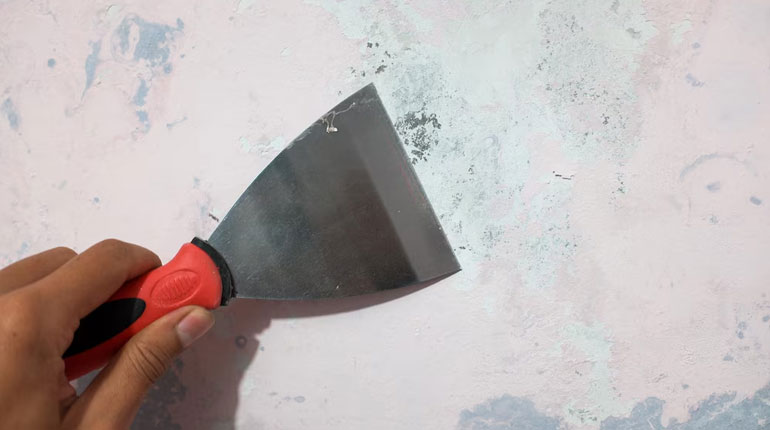
Paint removal means stripping old coatings from wood, brick, drywall, or metal so the base surface shows again. First, homeowners sand, scrape, use chemical gels, or hire heat tools. Each method has rules about safety and waste.
For instance, homes built before 1978 may hide lead paint, which must be handled under EPA guidelines. Therefore, tests come first. Next, workers protect floors, vents, and plants. Finally, the surface gets cleaned and, if needed, sealed or repainted. While the task sounds simple, improper steps can leave gouges that buyers notice. Also, skipped cleanup can spread dust indoors.
Because of these risks, many sellers hire professional painters with gear, insurance, and disposal plans. A local crew known for steady communication and tidy job sites, such as the Mohegan Lake team that serves Westchester and nearby counties, often finishes faster and neater than a DIY weekend would manage.
First Impressions Count: Exterior Surfaces
Buyers form opinions before they reach the door. Therefore, cracked paint, flaking trim, or blotchy siding signals hidden repairs and lowers offers. Research shows fresh exterior color adds 2–5 percent to value when done well. Paint removal plays a role because old layers may hide rot or mildew. Once they are gone, you can fix or replace damaged boards and then repaint them evenly.
Moreover, if you remove peeling paint from brick, you avoid the upkeep cycles that a painted façade demands. Use low-pressure or chemical strippers instead. Finally, smooth siding improves “street view charm,” which helps homes sell faster. A clear plan, steady prep, and gentle tools keep the outside looking cared for, which reassures buyers and lenders.
Revealing Original Materials
Many older homes hide wood trim, ornate mantels, or brick arches under thick paint. When you strip these layers, natural textures shine and add character that shoppers love.
“Show the wood, and you show the quality.”
While dramatic, the change feels warm and authentic, not trendy. Moreover, removing paint allows a clear finish that highlights grain rather than covering it. Therefore, the room feels larger and brighter. Remember to fill nicks and sand smoothly between passes since chips can be telegraphed through clear coats later. Also, always wear eye and lung protection; even non-lead dust irritates. Done right, exposing original materials turns “nice” into “memorable,” which can lift offers in a tight real estate market.
Avoiding Damage During Removal
Improper scraping scars wood siding and lowers value by hinting at water leaks. Likewise, heat guns held too long scorch trim, forcing costly replacement. To stay safe:
- Test every layer for lead before you start.
- Work in small sections so chemicals do not dry out.
- Keep blades sharp; dull edges dig grooves.
- Rinse residue fully, then let the area dry for a full day.
Moreover, professional crews keep surfaces damp while scraping to limit dust. They also seal vents so particles do not drift indoors. Local painters who value strong client communication usually post daily progress and photos so homeowners feel controlled. That clear process supports better resale because the finished job looks consistent across rooms.
Neutral Spaces Sell Faster
After paint removal, many sellers choose soft neutrals. Zillow reviewed 50,000 deals and found certain hues gained up to $5,000 more. Beige kitchens, light-gray living rooms, and off-white trim let buyers picture their décor. Therefore, removed paint followed by calm color raises both appeal and speed. Also, neutrals bounce light, making rooms feel spacious.
However, bold shades can polarize viewers and lengthen the listing time. When picking new colors, test patches at sunrise and dusk; light changes tone. Finally, keep sheens consistent: flat ceilings, eggshell walls, and satin trim. That simple rule looks clean but not shiny.
Historic Homes: Special Rules
Older houses often sit in districts that regulate exterior changes. Many boards demand owners remove only modern paint with approved methods and then match historic palettes. Penalties for mistakes include fines or forced do-overs. Meanwhile, careful restoration—think gentle gel strippers and hand sanding—can raise value because authentic detail becomes a selling point.
A 1920 brick cottage regained five percent in appraisal after its paint layer was stripped and mortar repointed. Remember, buyers of historic properties pay for story and texture, not perfection. Therefore, it reveals grain and tool marks but avoids aggressive media blasting. Consult state preservation offices or experienced local crews who understand compliance paperwork when in doubt. Their calm guidance keeps deals on track and inspections smooth.
DIY vs. Professional Help
You can tackle small trim projects yourself, yet whole exteriors often need licensed hands. Consider these points:
- Safety: Lead or high ladders demand respirators, scaffolds, and insurance.
- Time: A pro crew finishes weeks sooner.
- Finish quality: Experts smooth seams and prime evenly, so repaint lasts longer.
- Communication: Teams respected for honest updates prevent surprises.
“Homeowners think they save money with weekend scraping, yet repairs double when gouges appear.”
Moreover, professional painters bring drop cloths, dust extractors, and EPA paperwork, saving owners the stress of rentals and regulations. Finally, buyers trust documented work; invoices listing materials, primers, and dates reassure lenders that the surface will endure.
What Could Freshly Revealed Surfaces Mean for Your Home’s Future?
When you weigh time, cost, and style, paint removal can tip the scale toward a stronger offer. Buyers love clean, original brick and healthy wood, yet they spot damage fast. Use gentle methods, follow safety rules, and finish with a soft neutral tone.
Run the numbers on labor, permits, and testing before you strip the first coat. Think your siding needs a reset? Talk with a trusted local painter, and start mapping your plan today for a value-smart next step.